You Have A Friend
www.youhaveafriend.com.au
www.youhaveafriend.org.au

How It Began
In the News: GuluWalk brings aid…
GuluWalk 2009 Brings Aid to War-Torn Northern Uganda
by Angela Zito, Suite 101.com Sept. 21, 2009
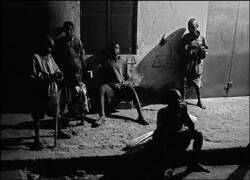
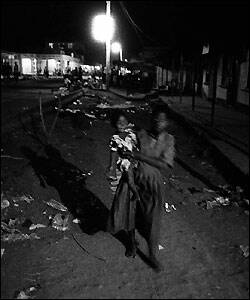
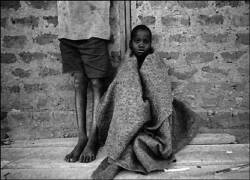
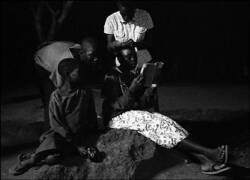
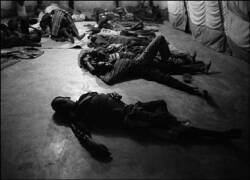
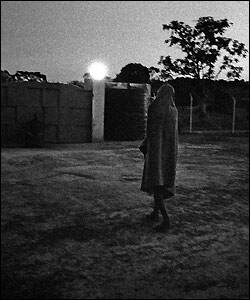
In 2005, Adrian Bradbury and Kieran Hayward, founders of GuluWalk, first heard about the “night commuters” of northern Uganda. Afraid to sleep in their home villages, thousands of Ugandan children had resorted to walking miles every night to Gulu and other urban areas, where they slept on the floors of hotel verandas and bus depots. So long as war threatened these children’s lives they would be forced to make their night commute; Bradbury and Hayward felt this atrocity needed to be addressed.
For the entire month of July, 2005, Bradbury and Hayward made their own seven-mile night commute to downtown Toronto to sleep in front of city hall, creating the very first Gulu Walk. The two co-founders attempted to change nothing else of their daily lives, continuing to work full-time after four hours of sleep and the walk back home, in order to recreate the dire reality of so many Ugandan children.
They succeeded in raising awareness on the issue, as every year more and more people are participating in Gulu Walk all over the world. In 2008, over 30,000 people in 75 cities in 16 different countries walked their downtown areas to show their support in the effort to bring peace to northern Uganda. Even more are expected to participate in 2009.
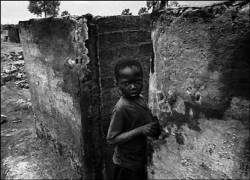
For 23 years war has ravaged the northern parts of Uganda, caused primarily by the Lord’s Resistance Army (LRA), a rebel group led by recognized global terrorist Joseph Kony. The LRA is responsible for countless atrocities committed against innocent civilians, but the most horrendous are certainly those committed against the children. In order to maintain sufficient army ranks, Kony and his followers took to kidnapping children from their homes and schools while murdering parents, teachers, and all else who stood in their way. Thus were his child soldiers created — little boys forced to kill or be killed, little girls forced into sexual slavery.
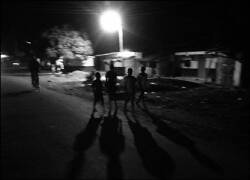
Faced with the terror of abduction, the children of Uganda’s villages began to spend their nights in urban centers, like the city of Gulu, where they hoped to escape detection by the LRA. Oftentimes these commutes were 5 to 10 miles, and there were no adults to accompany them. The plight of these children went unnoticed for years; Gulu Walk is dedicated to its exposure and resolution.
Current Situation in Uganda
Today, night commuting in northern Uganda has stopped. The LRA, while still in operation, has crossed the border into the Democratic Republic of the Congo, and aid from overseas has supplied the people of Uganda some protection and means of rehabilitation. But the road ahead is still a long one. Thousands of children are still missing or suffering from the trauma of abduction, and thousands more are displaced from their homes in squalid refugee camps. There is much to be rebuilt.
“This year’s GuluWalk is about just that — rebuilding what was lost,” said Amber Hughson, Ann Arbor GuluWalk event coordinator, when asked about this year’s event. “GuluWalk and Athletes for Africa, along with their partner organizations, are raising awareness about the conflict while fundraising for an arts and cultural center that will be used to rehabilitate the children who have been seriously affected by the trauma of displacement, abduction, and disease. The center will use theatrical, visual, and musical arts to help children and families cope with their loss and move on into a more hopeful future.”
GuluWalk is a free event occurring in one of 70 cities around the world October 24, 2009.
Posted by GuluWalk on September 28th, 2009
Some Gulu Facts
In 2005, as many as 40,000 children — walk from their rural villages into the town of Gulu and other urban centres to sleep in relative safety and avoid abduction by the Lord’s Resistance Army (LRA) for use in the country’s 22-year war.
On Saturday, October 20, 2007, GuluWalk Day, over 30,000 people, in 100 cities in 16 different countries took to the streets to urge the world to support peace in northern Uganda. Since it's inception, GuluWalk has raised over $1-million for the children of northern Uganda
While there is progress on the ground, peace still eludes the Acholi of northern Uganda and only together can we make a difference in what former U.N. Under-Secretary General of Humanitarian Affairs Jan Egeland called “the world’s most neglected humanitarian crisis” and “one of the biggest scandals of our generation.”
Top ten reasons to walk the walk
It’s officially October. Wow, how did that happen? Later this month, on Saturday, October 24, GuluWalks will be taking place around the world. From NYC, Beijing and Tweed Heads (Australia) to St. John’s (Newfoundland) and Manchester, GuluWalkers are signing up online, spreading the word, making banners, getting permits…working hard to make sure this year’s event is a success.
For those who have been with us since we started this journey by telling the story of the night commuters, and for those who are hearing of GuluWalk for the first time, we want to make sure our supporters know what drives us and why it’s important to continue to raise awareness of the needs of youth in northern Uganda and how we can help.
So, in the spirit of our new bite-sized informational society, here’s a simple and easily digestible list of top ten reasons to walk the GuluWalk this year. Feel free to retweet it, post it, share it, you know the drill.
#10: Ashton Kutcher, Ellen Degeneres and Britney Spears all have more than 3 million followers on Twitter. That is slightly frightening. But also a good lesson in trends - can we change them? Let’s prove that we actually DO care about less superficial things.
#9: We are all global citizens.
#8: While serving as the United Nation’s under-secretary-general for humanitarian affairs, Jan Egeland called the LRA conflict in northern Uganda ‘the world’s most neglected humanitarian crisis.’ If you don’t know the history, learn it.*
#7: Scars from 23 years of war do not heal overnight.
#6: When GuluWalk began in 2005, thousands of children were walking each night to seek a safe place to sleep; a place where the risk of abduction by the LRA would be low. They were known as ‘night commuters.’ Night commuting has stopped. There is a tentative peace in northern Uganda. But these children are still growing up, having known only war for the majority of their lives. They need support, they need a voice, they need leadership.
#5: There are close to half a million people still living in IDP and transit camps in northern Uganda.
#4: The LRA continues to wreak havoc in the region, mostly in the Congo, Sudan and now Central African Republic. It’s history in northern Uganda is a big piece to this puzzle and its impact there must not be forgotten.
#3: You still have an extremely high chance of earning an all-expenses paid trip to northern Uganda. Become a ‘founding builder’ (one of the first 500 people to raise $500 online) and you could receive that trip, see first-hand the need for programming and gain a deeper understanding of the conflict.
#2: This year, by walking, you will be raising awareness and funds for the Gulu Youth Cultural Centre: a home for much-needed youth leadership training; arts and cultural programming; rehabilitation and rebuilding.
#1: Take real action. Because as easy as it is to click a button or join a Fan Page or change our Twitter profile picture, I think we are still capable of being roused; of feeling inspired; of using our free time, our voice, our combined effort, to act. Your voice will be heard.
Now it’s your turn: Why are you walking? Why should others? Spread the word and we will see you online and on the streets on October 24.
(That’s enough talk. Walk the walk by joining the Tweed Walk. Click here now.)


October 24th 2009